
Maximizing wellness over engagement for how we interact and consume online.
How we interact with others and consume content profoundly impacts our mindset, shaping how we perceive both others and ourselves. Engagement networks are designed to enable us to stay informed, interact with others and foster new connections and opportunities. They are also battlegrounds harbouring systemic inequities including misinformation, bots, toxicity and breeding mental illness. The cloned alternatives do not provide any resolution. Can we combine design principles with the science of human behavior to standardize interactions in a way that mimics reality and aligns with the accordance of our individual values and wellbeing?
This article explores the most pressing forms of digital systemic inequities facing humanity with a call to standardize social interaction design patterns for the betterment of human wellness.
1. Compassion Over Toxicity
Engagement networks need to take into account the universal problems facing consumers.
Misinformation, bullying, narcissism¹, and ghosting are becoming far too common in online interactions. But instead of seeing this as a permanent reality, we have an opportunity — an obligation — to design better spaces. Toxic disinhibition, where people behave negatively online due to a lack of real-world consequences, is not just a social issue, it’s a design problem. And it’s one we can solve.
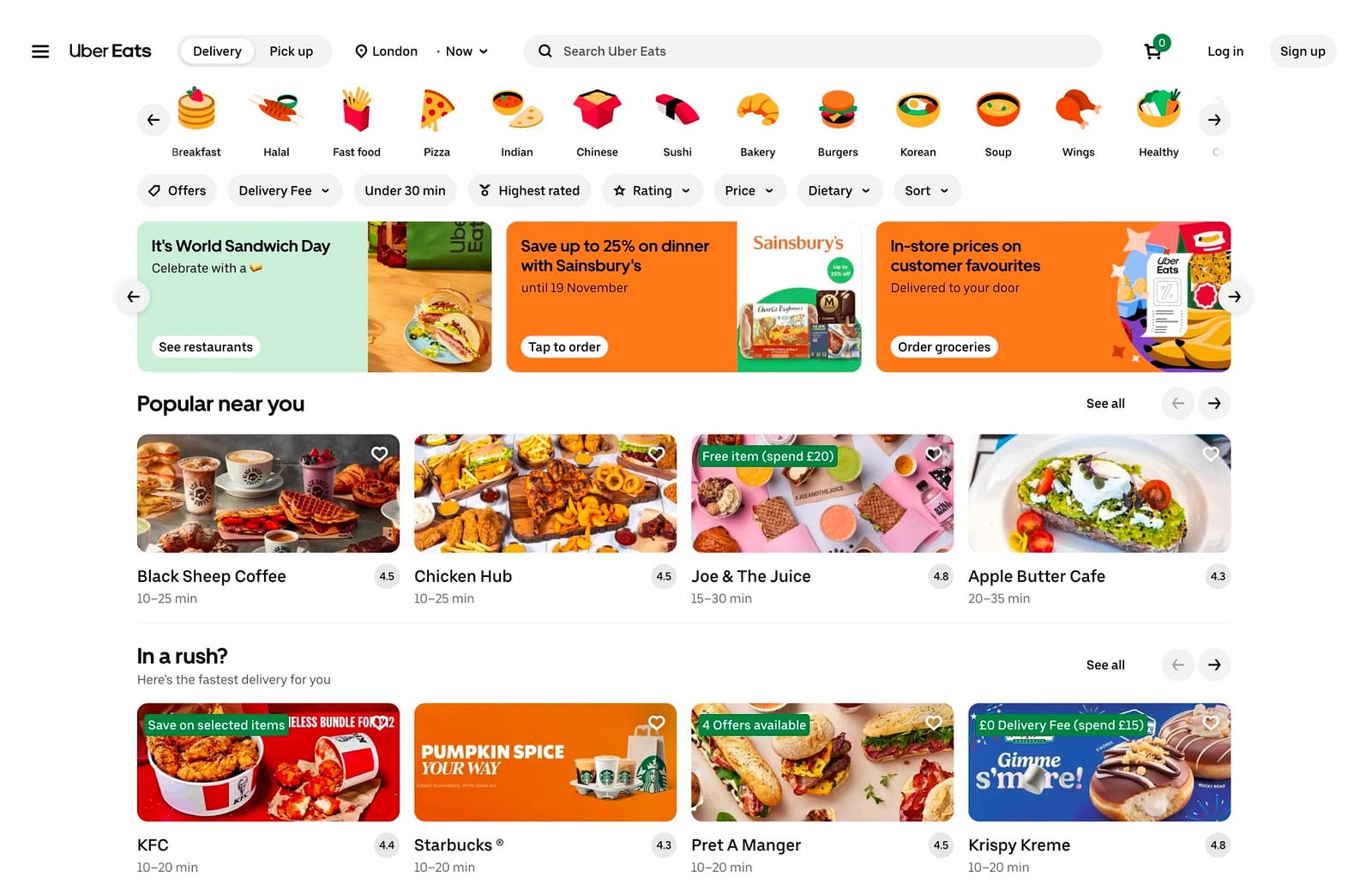
Starbucks prime consumers by promoting high-sugar beverages that often exceed twice the daily recommended limit, obscuring their sugar content behind a few clicks. Similarly, Uber Eats primes unhealthy fast food in the screen real estate while relegating healthier options to a separate category — all of this is by design. With obesity being a leading cause of death, these design patterns contribute to a public health crisis that demands our attention.
Online actions, though distant, have real-world impacts on those on the receiving end. It’s easy to point to engagement networks like X as examples of how current models incentivize the loudest voices and amplify harmful behaviors through survivorship bias². But this is exactly where we, as designers and change makers, can intervene. We can rethink the systems and experiences that prioritize engagement for the sake of profit, and instead, build ecosystems that promote empathy, understanding, and connection.
The dehumanization of online interactions , through anonymity, lack of accountability, delayed feedback, and the dissociation from the physical world — has led to a disconnection from our shared humanity. But these very elements also highlight what’s missing, giving us the chance to design for what truly matters. By recognizing and addressing the cognitive distortions that arise online, we can reintroduce accountability and care into the experiences we create³.
What if we could design experiences that foster humane interactions over zero-sum engagement while still meeting business objectives?
What if we could define how we connect with others and see the values, life experiences, boundaries and commonalities between others instead of just ‘following’ a static avatar and username?
If you’re interested in learning more about tackling digital systemic inequities, join me at circlo.com/circularchaos as I embark on a journey to build real-world solutions.
2. Balance Over Addiction
The responsibility of designing addictive experiences do not lie solely on designers, it lies on everyone who holds a stake in the product.

The impulsive nature of social feeds presents us with a unique opportunity to rethink the unregulated intersection between our dopamine circuitry and the gambling-like dynamics of social interactions — like infinite scrolling, notifications, reactions, and the FOMO that arises from intermittent reinforcement⁴.
As designers, we hold the power to rewire these interactions, which have remained largely unchanged for the past decade, to better serve our communities. The current systems often contribute to measurable harm and encourage compulsive behavior that affects an entire generation⁵. However, this is our chance to innovate and create healthier digital experiences that promote mindful engagement.
The science of balance and well-being emphasizes the importance of deep work and the satisfaction that comes from delaying gratification — the very principles that stand in contrast to how many social components are currently designed. By prioritizing these values in our work, we can foster environments that support mental clarity and genuine connection, rather than distraction and anxiety.
What if we could design mindful interactions that offer bite-sized content to help us retain homeostasis instead of tilting us towards parasympathetic activation from a triggering tweet?
What if we could release relevant content that follows our circadian rhythm showing inspiring content in the morning and relaxing content in the evening instead of using algorithms designed for constant intermittent reinforcement?
3. Well-being Over Ill-being
We don’t have to wait for regulations to be put place to redesign experiences that exploit vulnerable teens. Schools across the US are banning smartphones as the research has been conclusive in showing the negative effects they have on developing brains.
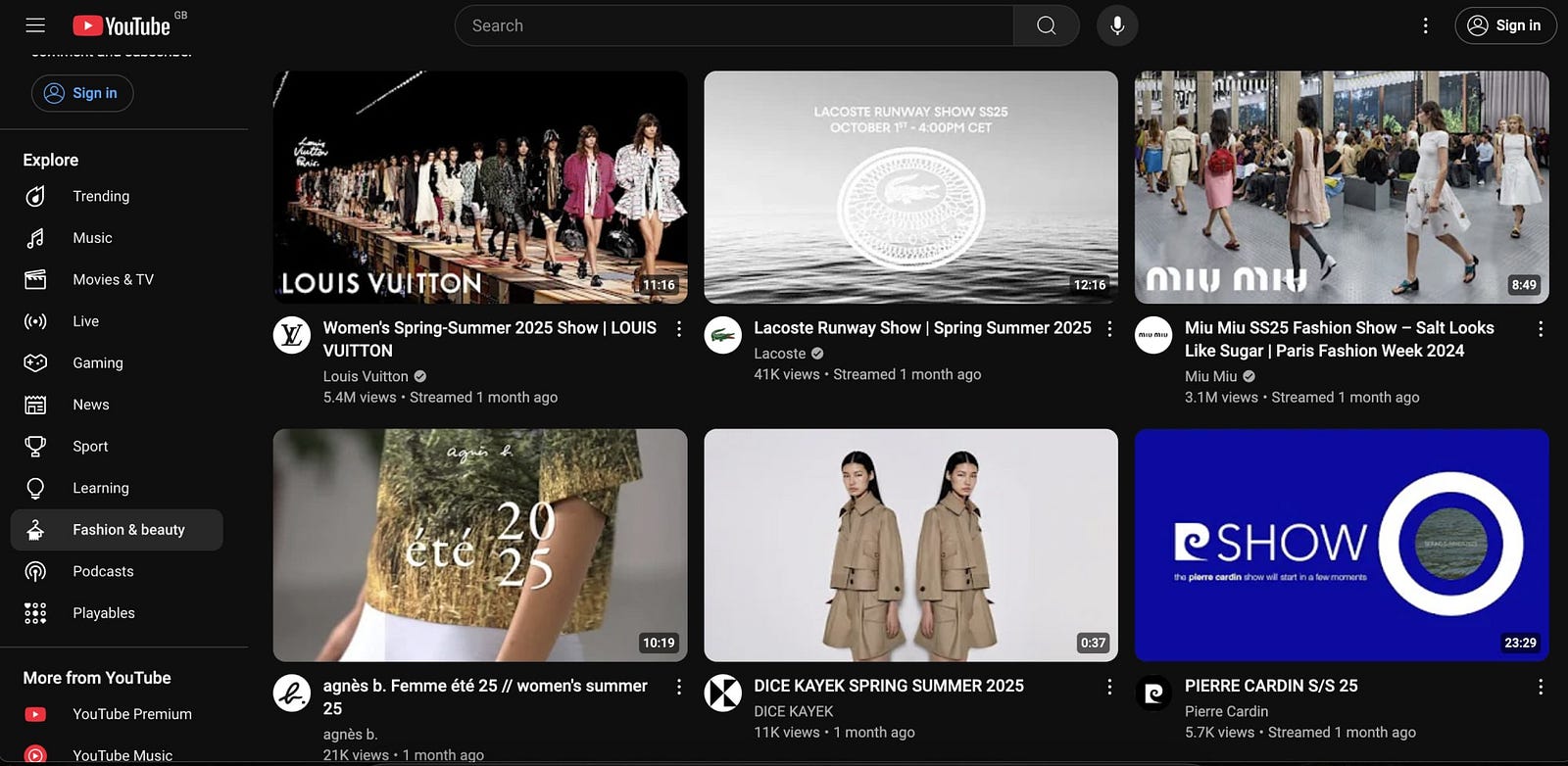
With the advancement of AI, we now have exciting opportunities to tackle the challenges of doom scrolling, bullying, and the spread of misinformation. As research shows, excessive daily use of social apps can erode our well-being over time. However, we are at a pivotal moment where innovative solutions are within our reach.
The rise in suicide rates⁶ among teenage girls over the past decade highlights the urgent need for change. Engagement networks like Instagram often promote unrealistic and heavily filtered beauty standards through highlight reels, contributing to this distress. The psychosocial phenomenon known as ‘mean world syndrome’ suggests that constant exposure to negative news and content can lead us to perceive the world as more dangerous than it truly is.
As designers, we have a moral obligation to create ethical experiences that prioritize well-being. We can choose to champion solutions that favor wellness over maximum engagement, especially for those with developing brains who are particularly vulnerable to these influences. By harnessing the power of AI and thoughtful design, we can cultivate healthier digital environments that uplift individuals and promote positive connections.
What if we could incorporate AI to remind us when we’re scrolling through heavily filtered image highlights that trigger our comparison circuitry?
What is if we could incorporate social emotion tracking to identify the negative triggers and use AI to help debias us?
4. Signal Over Noise
The secret to happiness is found in less consumption, not more.
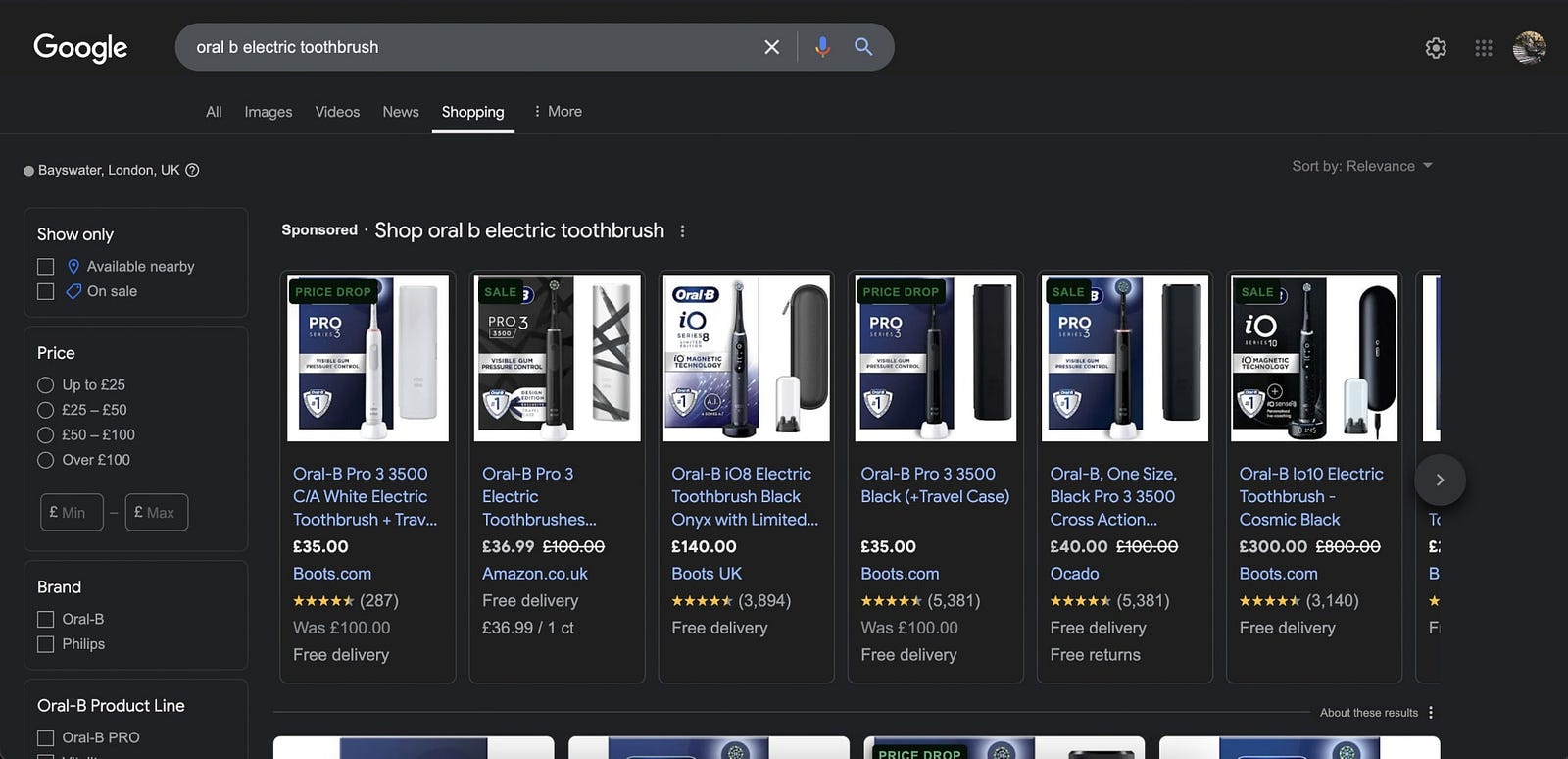
In today’s dopamine-fueled attention economy⁷, we face an overwhelming abundance of bots, spam, superficial followers, and provocative voices that often drown out authentic connections. With countless Google search ads dominating screen real estate, Amazon knockoffs, and Instagram brand sponsors vying for our attention, we must ask: How much of this noise truly contributes to our needs and well-being? Is more really better?
The abundance of irrelevance poses a risk, as being unaware of how algorithmic bias⁸ affects us can lead to exploitation for maximum engagement. We need to examine how these black-box algorithms determine what we consume — whether based on the most votes, the most provocative content, friend recommendations, or paid advertisements. It’s a known fact that we rarely go past the first page of results, so that begs the question–what does it take to reach the top of the page?
By leveraging science-driven design, we can create more meaningful contextual communities that prioritize the betterment of all members instead of amplifying only the loudest voices in the public square and spray and pray ads in feeds. This approach can help us shift the focus from sheer volume to quality interactions that genuinely enhance our lives.
What if these apps could adapt to us based on our needs and preferences instead of us adapting to theirs?
What if we could express all aspects of ourselves instead of just for more relevant connections and content?
5. Awareness Over Passivity
Dopamine is always in search for limitless pleasure yet to avoid pain, we need to impose a limit through awareness.
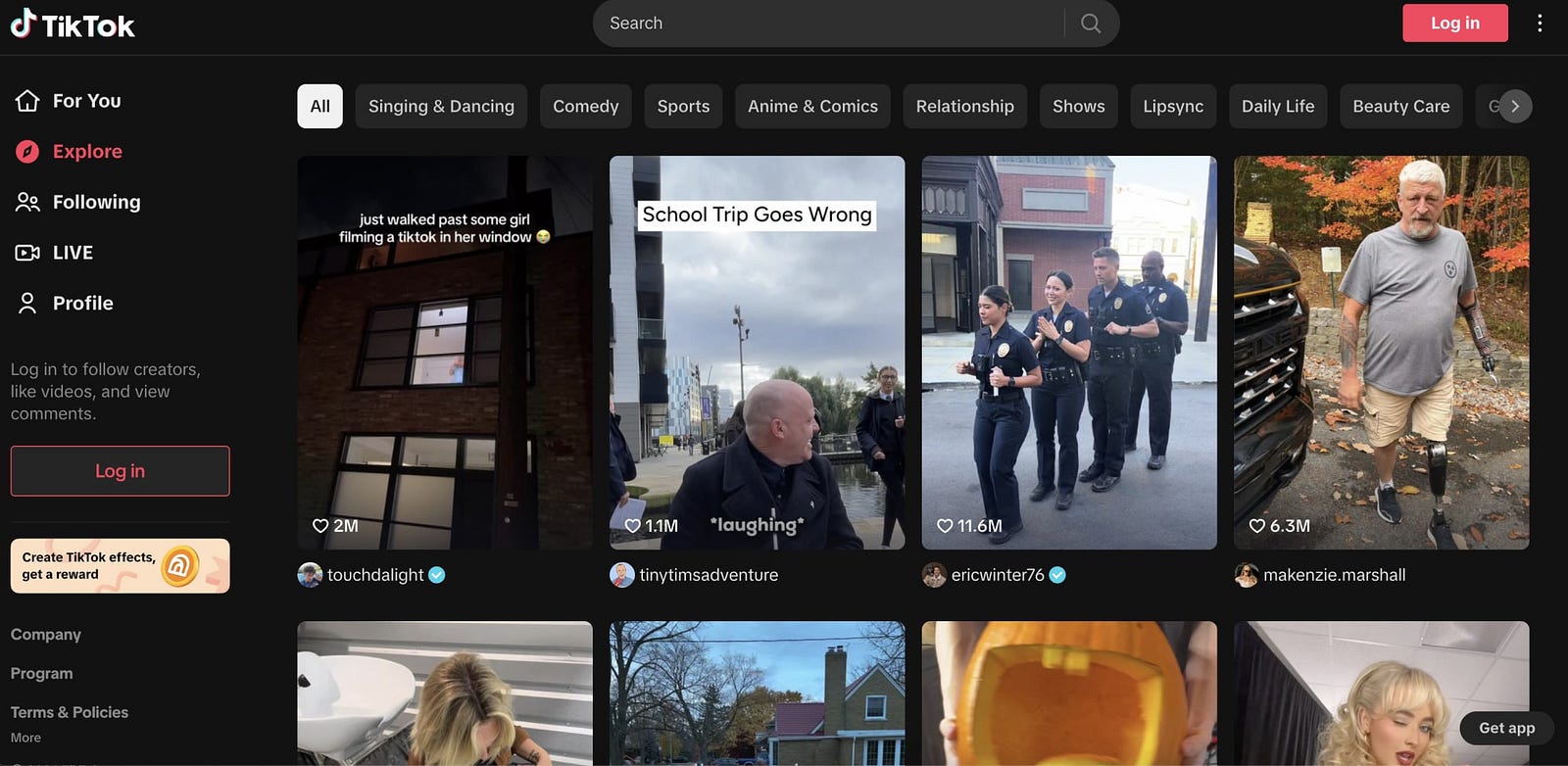
It’s a familiar experience to log into social media and find ourselves caught up in provocative content, spending hours in a cycle crafted to capture our attention. But recognizing this is the first step toward something better — because it doesn’t have to be this way.
Illusive design, mixed with cognitive biases and distortions, can subtly reshape our mindset, often promoting unnecessary fear and mistrust. Consumerism can drive us toward impulsivity⁹, with exaggerated marketing, sensational headlines, and luxury narratives that disrupt our emotional balance. These forces sometimes amplify division, creating “us vs. them” mindsets and pitting “losers” against “winners,” “masses” against “elites.”
These patterns stray from science and lack inclusivity and systematic thinking. But together, we can change this.
These challenges push us out of balance, and social apps often amplify comparison¹⁰, which research shows can affect our well-being. But by staying aware and engaged, we have the power to redesign these spaces for good. This awareness allows us to cultivate deep, meaningful connections and promote fairer, healthier interactions. We have the opportunity to create experiences that move away from illusion and support a more inclusive, balanced digital world.
What if we could be nudged at the right moment when our consumption leads to bias or distortion?
What if, when connecting with others, we were shown our similarities and shared goals instead of highlight reels?
By recognizing the problems in our current systems, we can create solutions that foster genuine connection and understanding, paving the way for a more empathetic and balanced online experience.
6. Authentic Over Synthetic
Meaningful experiences emerge through self expression, vulnerability and honesty and not synthetic personas and highlight reels.
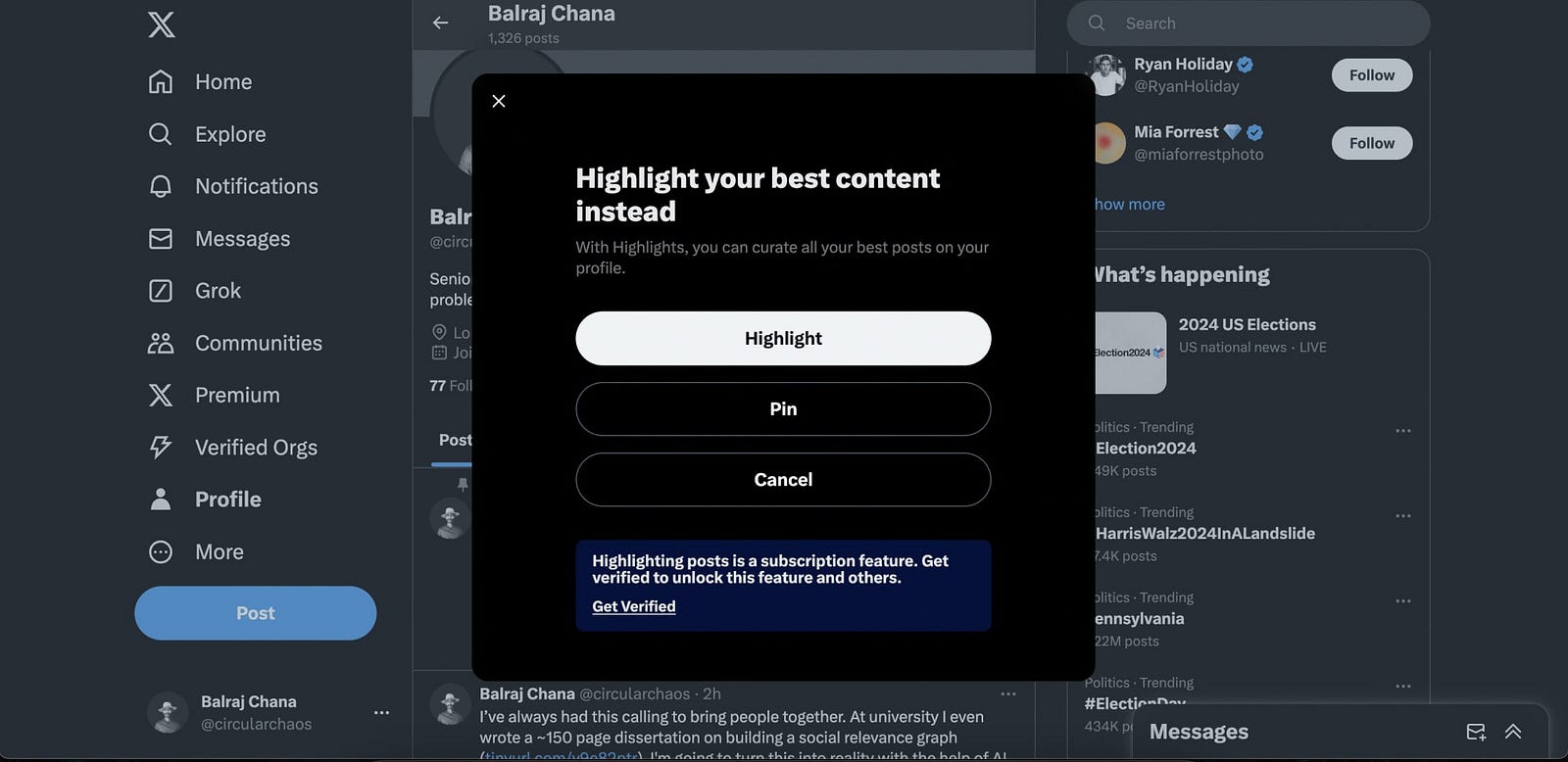
The biases embedded in algorithms can subtly reshape how we interact, often pushing us to adopt certain personas just to be seen and heard, to avoid feeling ostracized or “canceled.” Many of us are drawn to engagement networks because we have a deep desire to make our voices heard. Yet on platforms like X, visibility often feels tied to provocative content, as engagement is prioritized above all else. This cycle of validation, where provocation leads to increased followers who echo our behavior, can sometimes perpetuate beliefs that divide rather than unite.
On LinkedIn, self-expression can feel limited, especially for creatives who don’t fit traditional ideas of professionalism. Meanwhile, Instagram, Snapchat, and TikTok often emphasize appearance, promoting unattainable beauty ideals and contributing to issues like body image struggles. And while Reddit offers anonymity, it sometimes veers toward negativity, leaving us to question what authenticity really looks like.
But here lies a great opportunity: to design experiences that encourage self-expression rooted in authenticity. Research on social interaction and self-expression reveals our innate need to form deep, meaningful connections¹¹, especially as we face a global loneliness epidemic. By rethinking the current design patterns, we can create digital spaces that bring people together in a way that feels real and inclusive, fostering environments where everyone can thrive as their authentic selves.
What if we could design experiences driven by science and belong to smaller, more meaningful communities with a common goal instead of shouting into the algorithmic void?
What if we created spaces where individuals could express their authentic selves while retaining the option for anonymity, all within a responsible community framework?
By envisioning and implementing these solutions, we can cultivate environments that encourage authentic connections and foster well-being, moving us toward a healthier, more inclusive digital landscape.
7. Trust Over Zero-sum
When you are the product, investing in engagement networks erodes trust over time if you don’t contribute to the bottom line.

The “verification war”¹² increasingly divides users into “winners” and “losers.” When verification is achieved through payment or exclusive means, what message does it send to those who remain unverified? On platforms like X and LinkedIn, unverified voices often lose visibility, relegated to the sidelines. How much trust can we place in a system where unverified voices are diminished?
These engagement networks have a responsibility to protect vulnerable users, especially adolescents, from potential harm like bullying and exploitation. Platforms like LinkedIn grapple with fake job postings and opportunistic recruiting, while nearly a third of Elon Musk’s followers are bots, with the potential to influence public sentiment and even elections¹³.
How long must trust erode before we, as designers, step up and reshape these spaces?
This system breeds inequality, establishing a hierarchy that serves only a few. But we can change the game. By advocating for inclusive and iterative design, we can work toward a system where everyone has a voice, a chance to thrive, and equal access to opportunity. Through thoughtful design, we can foster spaces that unite rather than divide, cultivating trust and equality across the digital landscape.
What if we could design experiences that verify the intentions and value alignment of potential connections before they occur?
What if we could create systems that verify users without fostering fiction or exclusion?
By rethinking our design approaches, we can foster environments that promote trust and inclusivity, ultimately creating a more equitable digital landscape for all.
8. Unity Over Division
You can’t build a digital caste system and expect equal outcomes for all.
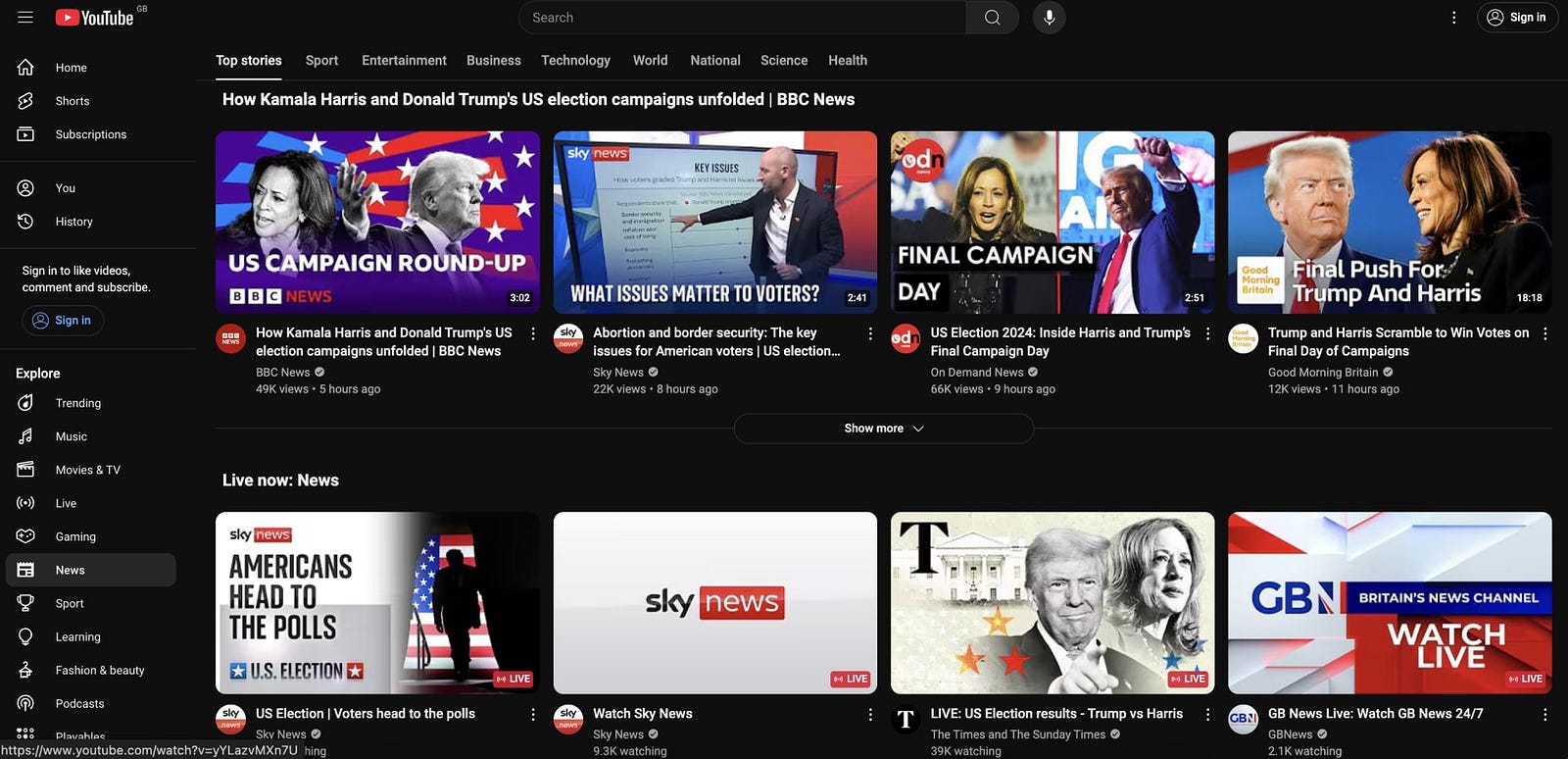
Much of the conflict we see online is rooted in differing definitions and values. What one person sees as success may differ vastly from another’s perspective. Tech leaders often promote their technologies widely yet limit¹⁵ their use for their own children. Meanwhile, pundits debate each other’s actions, and news headlines prioritize sensationalism for clicks. Algorithms designed for engagement often capitalize on division, but this doesn’t have to be the norm. Technology was intended to bring us together — can it once again unite us?
Divisive algorithms have a certain allure: they tap into our instinct for social status and our tendency toward negativity, behaviors that may have served us in early tribal communities¹⁴. Yet in today’s complex world, our brains haven’t evolved to navigate these intensified dynamics easily. As designers, we have the unique responsibility to build experiences that promote meaningful connection, not just fleeting engagement. Let’s design platforms we’d be proud to use ourselves and, importantly, that we’d feel good passing down to future generations. Together, we can shape technology that uplifts and unites, bringing us closer to the original promise of connection.
What if we could design experiences that allow us to consume content through the perspectives of others who share similar definitions and values?
What if we could create platforms where individuals define how they wish to connect with one another, rather than being confined to unidimensional personas?
By embracing these ideas, we can begin to foster more meaningful connections and cultivate a healthier online environment that celebrates our diverse perspectives rather than dividing us.
9. Inclusion Over Isolation
The extreme voices do not represent the voice of the majority, but they do drown the majority out and parade as them.
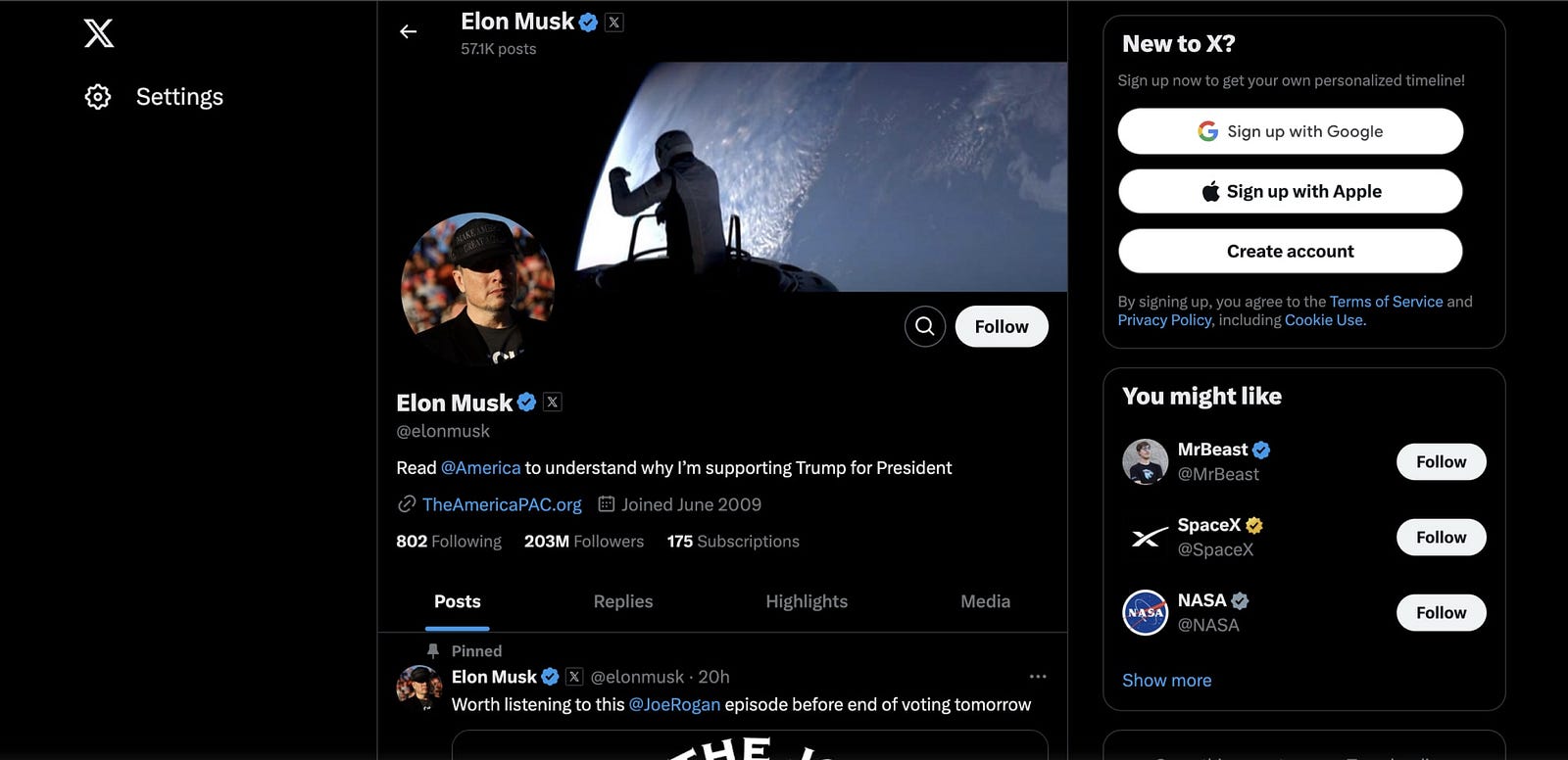
Much of what we see online is colored by survivorship bias, subtly shaping how we view ourselves and the world. Platforms like Instagram flood our feeds with images of celebrities and models, often creating an unrealistic ideal that can impact young people’s self-image and well-being. On platforms like X, the loudest voices often belong to a minority of elites¹⁶, while LinkedIn highlights only polished success stories. If we truly are what we consume, what effect does this selective portrayal have on our sense of reality?
When we view the world through the lens of survivorship bias, we risk feeling isolated or inadequate as we compare others’ highlights with our own everyday lives. This narrow view can make underrepresented voices feel unheard and overlooked¹⁷. But as designers and changemakers, we have an opportunity to redefine these experiences. By building inclusive platforms that celebrate diversity, we can ensure that everyone’s story is valued and represented. Together, we can create digital spaces that promote genuine connection and resilience, supporting a reality where we all feel seen and supported.
What if we could design experiences that make us aware of the diversity of opinions relevant to our lives?
What if we could gain insights into the mindsets of others who share our characteristics?
By reimagining our digital spaces, we can foster a more inclusive environment that values diverse perspectives and promotes genuine connections, ultimately enriching our understanding of ourselves and the world around us.
10. Science Over Illusive Design
A new design science forged with the understanding of neuroscience, ethics and human centered design can challenge digital systemic inequities.
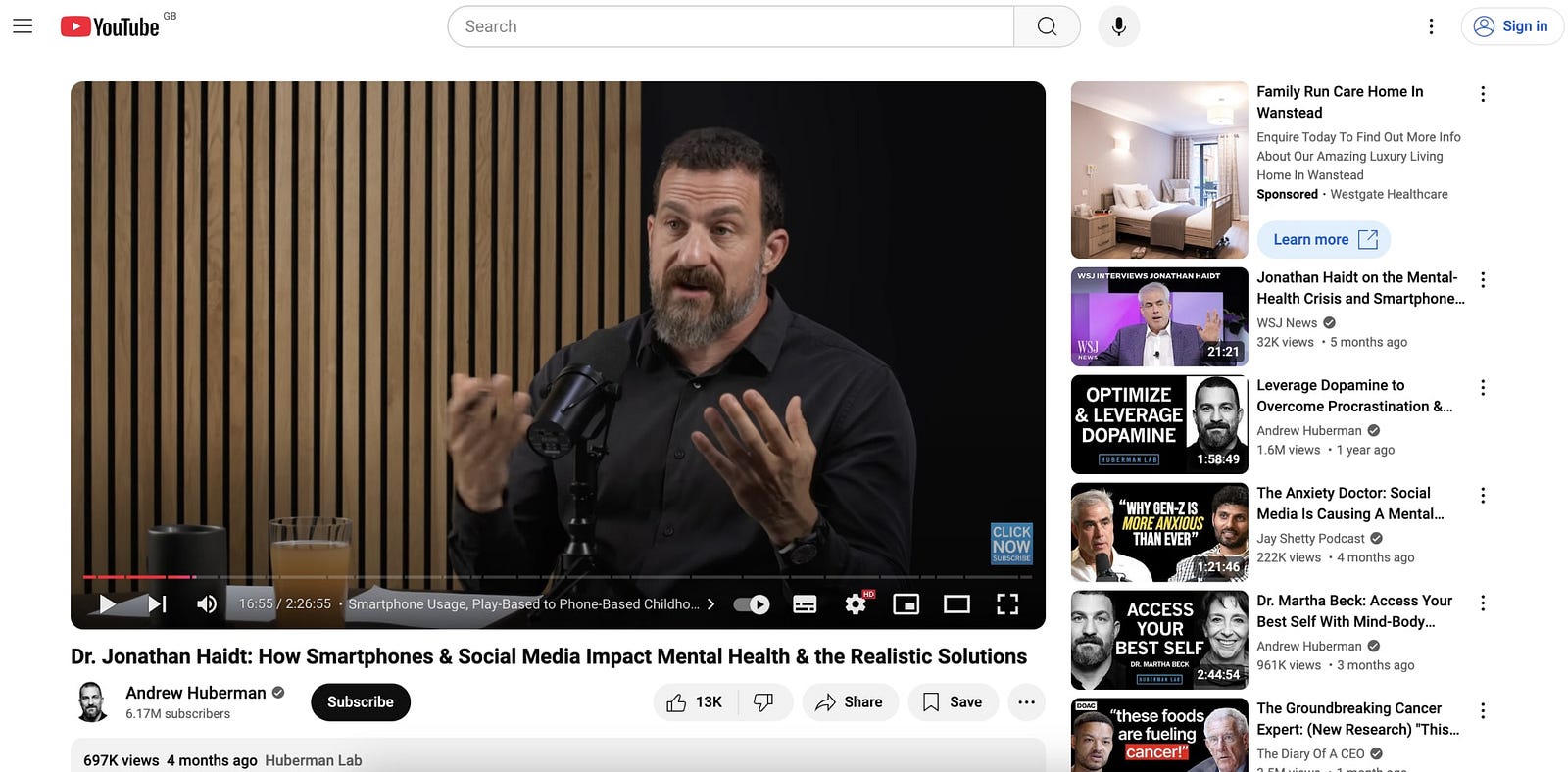
Faith in science has been challenged, especially after the mishandling of information by governments during the pandemic. Influencers with massive followings often position themselves as experts, despite lacking formal qualifications, contributing to misinformation in industries like health, nutrition, and fitness. However, the rise of podcasters gaining larger audiences than traditional media outlets suggests that there is still a strong demand for authentic, truth-driven information.
Despite this, platforms continue to skew data by obscuring real science by cherry-picking information to create a distorted view of reality¹⁸. Research shows that reducing social media usage can benefit mental health¹⁹, yet companies prioritize engagement above well-being²⁰, perpetuating unhealthy habits.
These engagement networks are designed to maximize time spent on the platform, often at the expense of mental health. Science shows that these patterns contribute to rising anxiety and depression. The human brain wasn’t built for the overstimulation of constant sensational news, which triggers fear and fosters unhealthy comparisons. This nonstop availability also exacerbates bullying and contributes to depression, particularly for marginalized groups.
As designers, we have the opportunity — and responsibility — to challenge these harmful patterns, creating experiences that prioritize human well-being and scientific integrity over short-term engagement.
We need a new design philosophy that prioritizes well-being over profit at all costs.
What if we could design ethical experiences driven by science that help people maintain balance rather than succumb to overindulgence?
What if we could create science-driven experiences that establish a single source of truth for content consumption?
By rethinking our design approaches, we can foster environments that enhance mental wellness and promote a more accurate understanding reality.
Conclusion
Digital systemic inequities have the power to shape both our online and offline worlds, influencing our mindset and behavior. These inequities marginalize those seeking meaningful connections and steer us away from the inclusive future technology was meant to create. Instead of fostering unity, they often drive division and exclusion.
This is a critical moment for us to redefine how we approach design. By applying science-driven principles focused on human well-being and the vulnerabilities inherent in engagement networks, we can create more inclusive, positive experiences that truly serve people’s needs.
Join me on this journey at Circlo, where I’m working to challenge these digital inequities and build a more inclusive, humane future for all. Together, we can transform the digital landscape for the better.
References
- Rose, T. (2022). Collective Illusions: Conformity, Complicity, and the Science of Why We Make Bad Decisions. [online] Hachette Go, p142. Available at: https://www.goodreads.com/en/book/show/58340695 [Accessed 17/05/2023].
- Rose, T. (2022). Collective Illusions: Conformity, Complicity, and the Science of Why We Make Bad Decisions. [online] Hachette Go, p68. Available at: https://www.goodreads.com/en/book/show/58340695 [Accessed 17/05/2023].
- Rose, T. (2022). Collective Illusions: Conformity, Complicity, and the Science of Why We Make Bad Decisions. [online] Hachette Go, p67. Available at: https://www.goodreads.com/en/book/show/58340695 [Accessed 17/05/2023].
- Lembke, A. (2021). Dopamine Nation: Finding Balance in the Age of Indulgence. [online] Dutton Books, p61. Available at: https://www.goodreads.com/en/book/show/55723020-dopamine-nation [Accessed 21 Feb. 2022].
- Lembke, A. (2021). Dopamine Nation: Finding Balance in the Age of Indulgence. [online] Dutton Books, p27. Available at: https://www.goodreads.com/en/book/show/55723020-dopamine-nation [Accessed 21 Feb. 2022].
- Haidt, J. (2018). The Coddling of the American Mind: How Good Intentions and Bad Ideas Are Setting Up a Generation for Failure. [online] Penguin Books, p5. Available at: https://www.goodreads.com/en/book/show/36556202 [Accessed 17/05/2023].
- Lembke, A. (2021). Dopamine Nation: Finding Balance in the Age of Indulgence. [online] Dutton Books, p1. Available at: https://www.goodreads.com/en/book/show/55723020-dopamine-nation [Accessed 21 Feb. 2022].
- Rose, T. (2022). Collective Illusions: Conformity, Complicity, and the Science of Why We Make Bad Decisions. [online] Hachette Go, p67. Available at: https://www.goodreads.com/en/book/show/58340695 [Accessed 17/05/2023].
- Harari, Y. (2011). Sapiens: A Brief History of Humankind. [online] Vintage, p450. Available at: https://www.goodreads.com/book/show/23692271-sapiens [Accessed 09 Jan. 2022].
- Rose, T. (2022). Collective Illusions: Conformity, Complicity, and the Science of Why We Make Bad Decisions. [online] Hachette Go, p94. Available at: https://www.goodreads.com/en/book/show/58340695 [Accessed 17/05/2023].
- Harari, Y. (2011). Sapiens: A Brief History of Humankind. [online] Vintage, p495. Available at: https://www.goodreads.com/book/show/23692271-sapiens [Accessed 09 Jan. 2022].
- Sapolsky, R. (2019). Behave: The Biology of Humans at Our Best and Worst. [online] Vintage Digital, p.322. Available at: https://www.amazon.com/Behave-Biology-Humans-Best-Worst/dp/1594205078 [Accessed 21 Nov. 2021].
- Rose, T. (2022). Collective Illusions: Conformity, Complicity, and the Science of Why We Make Bad Decisions. [online] Hachette Go, p68. Available at: https://www.goodreads.com/en/book/show/58340695 [Accessed 17/05/2023].
- Sapolsky, R. (2019). Behave: The Biology of Humans at Our Best and Worst. [online] Vintage Digital, p.398. Available at: https://www.amazon.com/Behave-Biology-Humans-Best-Worst/dp/1594205078 [Accessed 21 Nov. 2021].
- Rausch, Z., Haidt, J. and Torres, L. (2024). The Worst Argument That Social-Media Companies Use to Defend Themselves. [online] Afterbabel.com. Available at: https://www.afterbabel.com/p/tech-hypocrisy.
- Rose, T. (2022). Collective Illusions: Conformity, Complicity, and the Science of Why We Make Bad Decisions. [online] Hachette Go, p138. Available at: https://www.goodreads.com/en/book/show/58340695 [Accessed 17/05/2023].
- Rose, T. (2022). Collective Illusions: Conformity, Complicity, and the Science of Why We Make Bad Decisions. [online] Hachette Go, p140. Available at: https://www.goodreads.com/en/book/show/58340695 [Accessed 17/05/2023].
- The Independent (2024). Zuckerberg and Senator Hawley clash in fiery child safety hearing. [online] YouTube. Available at: https://www.youtube.com/watch?v=pX2zvfD6GCY [Accessed 25 Sep. 2024].
- Haidt, J. (2023). Social Media is a Major Cause of the Mental Illness Epidemic in Teen Girls. Here’s The Evidence. [online] [www.afterbabel.com.](http://www.afterbabel.com./) Available at: https://www.afterbabel.com/p/social-media-mental-illness-epidemic.
- FACEBOOK ANNOTATION. (2019). Available at: https://about.fb.com/wp-content/uploads/2021/09/Instagram-Teen-Annotated-Research-Deck-1.pdf.
Leave a Reply